How Nitrous Oxide Systems Boost Your Engine’s Horsepower Safely
December 29, 2025
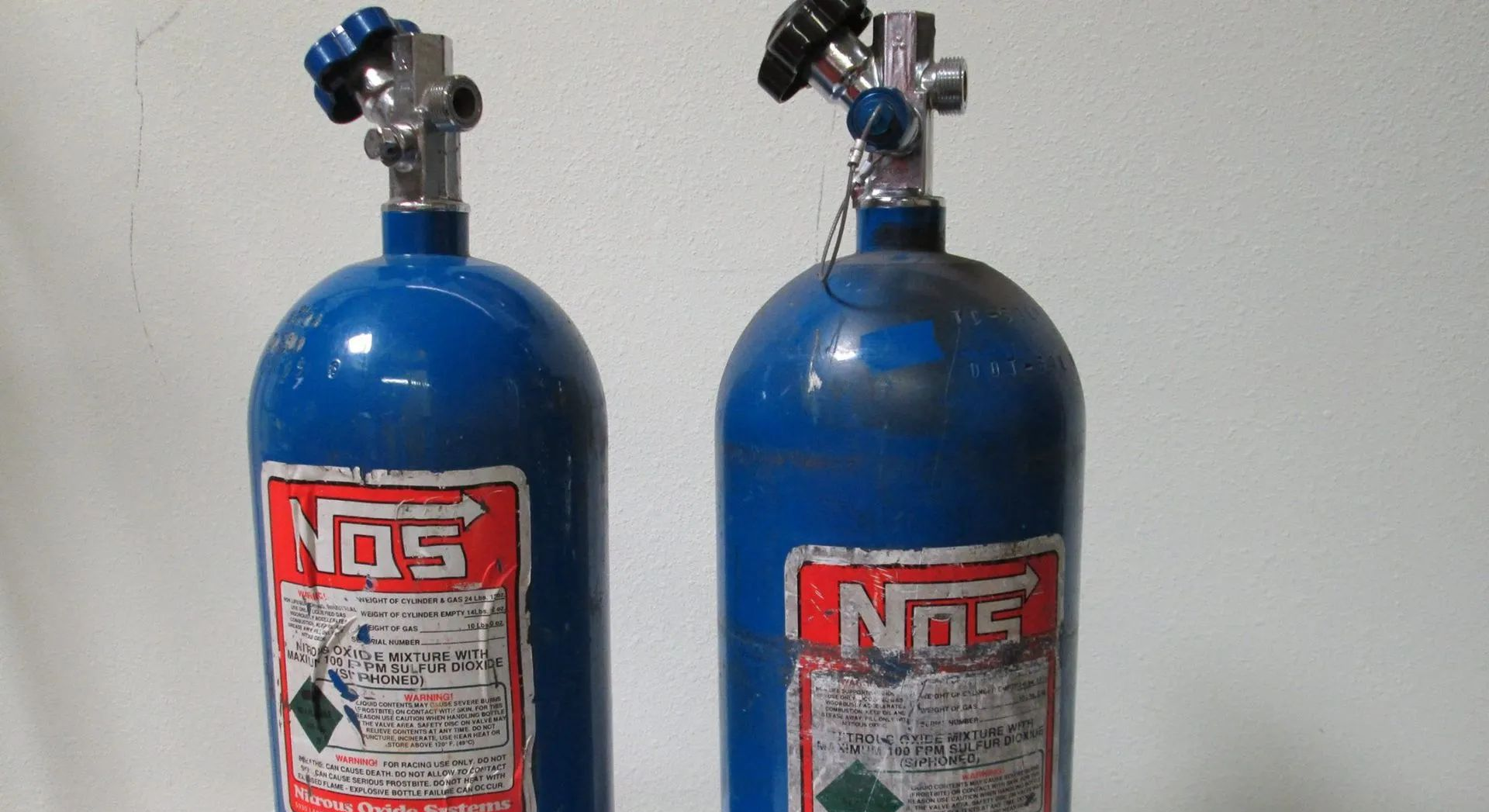
For automotive enthusiasts, unlocking an engine's full potential is both a science and an art. Among the most effective ways to increase horsepower without undertaking a full engine rebuild is through the use of nitrous oxide systems. Known for their ability to deliver immediate and significant power boosts, these systems have become a popular choice for street racers, performance tuners, and track-day competitors. While the prospect of added horsepower is appealing, understanding how to integrate nitrous oxide safely is crucial to avoid costly engine damage or performance issues.
Nitrous oxide works by increasing the amount of oxygen available during combustion, allowing more fuel to burn efficiently and generating greater power output. However, this enhancement is not simply about “more nitrous equals more speed.” Proper system selection, installation, and tuning are essential for maximizing performance while maintaining engine reliability. This blog will provide a detailed exploration of nitrous oxide systems, including how they function, their benefits, potential challenges, and best practices to boost horsepower safely. Whether you are a seasoned tuner or a newcomer to performance upgrades, understanding these systems can help you make informed decisions for high-performance, reliable results.
1. Understanding Nitrous Oxide and Its Role in Engine Performance
How Nitrous Oxide Works
Nitrous oxide (N₂O) is a chemical compound that releases oxygen when heated to high temperatures in the combustion chamber during engine operation. By introducing this extra oxygen, the engine can burn additional fuel more efficiently, effectively increasing combustion efficiency and overall power output. This results in a temporary, yet substantial, horsepower boost without requiring any increase in engine displacement or major mechanical modifications.
Types of Nitrous Systems
Nitrous systems typically fall into three categories: dry, wet, and direct port, each offering unique advantages for different performance needs.
- Dry Systems: Inject only nitrous into the intake manifold, relying on the engine’s existing fuel system to add additional fuel as needed. They are simpler to install and maintain but require careful tuning to prevent lean conditions and potential engine damage during high-power applications.
- Wet Systems: Inject both nitrous and fuel simultaneously, ensuring a more balanced air-fuel mixture throughout the combustion cycle. They offer more precise control over the system and are preferred for higher horsepower gains on performance-oriented engines.
- Direct Port Systems: Deliver nitrous and fuel directly to each cylinder individually, allowing for maximum control, consistency, and efficiency, commonly used in professional racing applications where precise tuning is critical.
Real-World Example
Professional drag racers often use direct port systems for consistent, high-output performance under extreme conditions. This approach clearly demonstrates the potential of nitrous oxide when installed and tuned correctly, emphasizing that system choice directly impacts both power gains and long-term engine safety.
2. Benefits of Using Nitrous Oxide Systems
Instant Horsepower Gains
One of the primary advantages of nitrous oxide systems is the immediate and noticeable increase in engine power. Depending on the system type and engine specifications, users can experience horsepower gains ranging from 50 to over 200 HP during optimal performance conditions. This is particularly advantageous for performance enthusiasts looking for a cost-effective way to enhance acceleration, top speed, and overall vehicle performance on both track and street.
Cost-Effective Performance Enhancement
Compared to extensive engine modifications, nitrous systems are relatively affordable and provide excellent value for their cost. Installing a high-quality system often costs significantly less than major engine upgrades like turbochargers or superchargers, while still delivering substantial power improvements that are immediately noticeable during operation.
Versatility and Modularity
Nitrous systems can be tailored to suit various applications and performance goals, offering flexibility for different vehicles and driving conditions. From street cars to race vehicles, users can adjust the power increase according to specific performance needs. Some systems also allow for staged deployment, gradually increasing nitrous delivery to optimize traction, prevent engine stress, and maintain overall drivability.
Real-World Scenario
A performance tuner with a naturally aspirated V8 engine can use a wet nitrous system to gain 100 horsepower for track events without requiring any major upgrades to the engine internals. This demonstrates how nitrous oxide provides substantial benefits while minimizing mechanical alterations and long-term maintenance costs.
3. Addressing Safety Concerns
Potential Engine Risks
While nitrous oxide can deliver impressive horsepower and enhanced performance, improper use or installation can lead to significant engine damage. Common risks include pre-ignition, detonation, or excessive cylinder pressure, which can cause catastrophic engine failure. These issues often result from incorrect tuning, excessive nitrous flow, or a lean air-fuel mixture during high-demand operation.
Best Practices for Safe Use
- Professional Installation: A certified tuner or mechanic should install nitrous systems to ensure proper routing, correct jet sizing, and safe integration with the existing fuel system for optimal performance and reliability.
- Engine Condition: Only engines in good mechanical health should receive nitrous upgrades. Worn components are far more susceptible to damage under increased combustion pressures and elevated temperatures.
- Controlled Usage: Nitrous should be deployed in short bursts rather than continuous application to prevent overheating, excessive stress, and mechanical failure of engine parts during performance runs.
- Monitoring Systems: Installing wideband O₂ sensors, fuel pressure gauges, and knock sensors can provide real-time feedback, helping prevent potentially harmful conditions and ensuring safe engine operation under nitrous influence.
Example from the Field
In street racing scenarios, cars equipped with safety switches, such as nitrous arming and purge systems, can prevent accidental engagement. This ensures that the engine only receives nitrous when conditions are optimal, highlighting the importance of controlled deployment for safe and reliable performance enhancement.
4. Maximizing Performance Through Proper Tuning
Tuning Techniques
Correct tuning is critical to harness the full potential of a nitrous system safely and consistently. Adjusting fuel maps, ignition timing, and nitrous delivery ensures that the engine operates efficiently under added stress while minimizing the risk of component failure or detonation.
- Fuel Tuning: Ensures a proper air-fuel ratio, preventing lean conditions that can severely damage pistons, valves, and cylinder heads during high-powered runs.
- Ignition Timing Adjustment: Retarding ignition slightly can reduce the risk of detonation and pre-ignition when using nitrous systems at high power levels, protecting engine internals.
- Progressive Nitrous Controllers: Allow gradual increase of nitrous flow, helping maintain traction, engine stability, and drivability during acceleration while maximizing power output safely.
Monitoring Performance Metrics
Advanced tuners use data logging tools to monitor critical engine metrics, such as cylinder pressure, exhaust gas temperature, and knock events. This information helps refine system settings, prevent dangerous conditions, and avoid potentially catastrophic engine failures.
Real-World Insight
Race teams often employ dyno testing before track deployment, adjusting nitrous jets and ignition timing to match engine capacity and load. This method not only maximizes power output but also ensures engine longevity under repeated high-stress conditions and extended performance sessions.
5. Maintenance and Long-Term Reliability
Routine Maintenance Practices
Nitrous systems require regular inspections and preventive maintenance to maintain long-term reliability and consistent performance. Key areas include:
- Checking for leaks in lines or fittings to prevent loss of nitrous or safety hazards.
- Inspecting jets and solenoids for wear, clogging, or damage to ensure precise fuel and nitrous delivery.
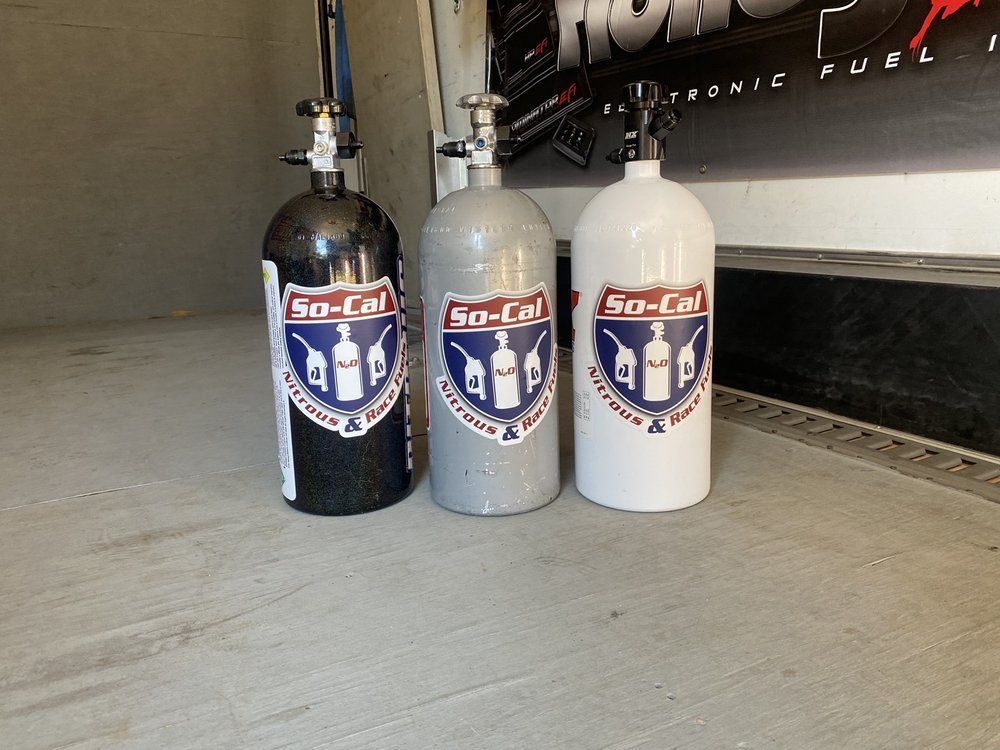
- Ensuring proper storage of nitrous bottles at recommended pressure levels to prevent system failures or safety risks.
Engine Maintenance Alignment
Engines using nitrous should follow stricter maintenance schedules than standard vehicles. Frequent oil changes, spark plug inspections, and monitoring of cooling systems are critical to sustaining performance and avoiding engine damage during repeated high-stress operation.
Avoiding Overuse
While nitrous provides a powerful performance boost, it is not designed for constant or excessive use. Over-reliance can accelerate wear on internal components, reducing engine lifespan. Staged or occasional application helps maintain both performance and long-term engine reliability.
Example
A street performance enthusiast might install a wet nitrous system but limit its use to weekend track events or controlled runs. This controlled usage ensures the engine remains in optimal condition while still benefiting from significant power gains safely and efficiently.
6. Choosing the Right Nitrous System for Your Engine
Engine Compatibility
Not all engines respond the same to nitrous systems. Factors such as compression ratio, fuel type, and existing modifications directly influence system choice and performance potential. Engines with high compression may require careful tuning or smaller nitrous jets to prevent detonation or engine stress during operation.
System Quality and Brand Selection
Investing in a high-quality, reputable system is essential for both performance and safety. Low-cost, generic kits may lack precision components, increasing the risk of leaks, inconsistent power delivery, and potential damage to critical engine parts.
Professional Consultation
Engaging with experienced tuners or performance shops can provide expert insight into the optimal nitrous system for your engine and intended use. Professionals can advise on jet sizing, fuel system compatibility, and safe deployment strategies for maximum performance and longevity.
Real-World Scenario
A naturally aspirated muscle car with stock internals may safely handle only a 75–100 HP nitrous boost, whereas a fully forged engine with upgraded cooling and supporting modifications can accommodate much larger increments. Understanding your engine’s limits ensures safe, reliable, and predictable power enhancement under nitrous influence.
Trusted Specialists in High-Performance Engine Enhancement
Nitrous oxide systems are among the most efficient and versatile tools for boosting engine horsepower. When implemented correctly, they provide instant, cost-effective power enhancements while maintaining reliability and performance. The key to safe nitrous use lies in understanding how these systems operate, selecting the right configuration, tuning carefully, and adhering to maintenance best practices. By following professional guidelines and respecting engine limitations, enthusiasts can unlock significant performance gains without compromising safety.
For automotive enthusiasts in Downey, California, SoCal Nitrous & Racefuels Inc
stands as a trusted authority in the nitrous and performance fuel industry. With over 15
years of experience, the company specializes in supplying high-quality nitrous systems and race fuels designed to optimize engine output safely. Their team of experts provides professional installation, tuning, and technical guidance, ensuring every vehicle achieves its maximum potential with reliability. Whether you are a weekend racer or a professional competitor, SoCal Nitrous & Racefuels Inc
delivers unparalleled knowledge, proven results, and a commitment to performance excellence in every solution.