Choosing the Right Race Fuel for Your High-Performance Engine
February 23, 2026

Selecting the right fuel for a high-performance engine is far more than a matter of convenience—it’s a critical decision that directly impacts power output, engine longevity, and overall racing performance. In the world of motorsports, every fraction of a second counts, and the wrong fuel choice can mean the difference between standing atop the podium and trailing behind the competition. For enthusiasts and professional racers alike, understanding the nuances of race fuels—from octane ratings to fuel blends—is essential for extracting maximum performance from their engines.
High-performance engines are designed to operate under extreme conditions, where heat, pressure, and combustion dynamics reach levels far beyond everyday vehicles. These engines demand fuel that burns consistently, resists detonation, and complements the tuning of the engine’s components. Misalignment between fuel type and engine requirements can result in reduced horsepower, engine knock, or even catastrophic damage. Therefore, making an informed fuel choice isn’t optional; it’s a fundamental part of performance engineering. This guide explores the critical considerations, best practices, and expert insights needed to choose the right race fuel, helping racers optimize performance, maintain engine health, and gain a competitive edge on the track.
Understanding Fuel Types for High-Performance Engines
Octane Ratings and Engine Compatibility
One of the most fundamental aspects of selecting race fuel is understanding octane ratings. Octane measures a fuel’s resistance to pre-ignition, commonly known as knocking or pinging. High-performance engines, especially those with forced induction like turbochargers or superchargers, typically require high-octane fuels to operate efficiently. Using a fuel with an octane rating lower than recommended can cause knocking, reducing engine efficiency and potentially damaging pistons and valves.
For example, many naturally aspirated performance engines operate effectively on 91–93 octane pump fuel, whereas turbocharged or high-compression engines often demand 100+ octane race fuels. Fuel suppliers offer specialized blends, such as VP Racing Fuels’ C16 or Sunoco’s 110, specifically engineered for drag racing, road racing, or other motorsport applications. Understanding your engine’s compression ratio, tuning, and operating conditions is the first step in matching it with the correct fuel.
Types of Race Fuel
Race fuels fall into several categories, each with specific characteristics:
- Pump Gas: Standard high-octane gasoline; suitable for mildly tuned engines.
- Race Gasoline: Specialized blends with higher octane and additives to prevent detonation.
- Methanol: Alcohol-based fuel offering higher knock resistance and cooler combustion but requiring fuel system modifications.
- E85: A blend of ethanol and gasoline that provides high octane and increased cooling but demands precise tuning.
Selecting the appropriate type involves evaluating engine requirements, track conditions, and tuning capabilities.
The Science Behind Fuel Performance
Combustion Efficiency and Power Output
Fuel selection directly influences how efficiently an engine converts chemical energy into mechanical power. High-octane fuels allow engines to operate at higher compression ratios without pre-ignition, maximizing energy output per combustion cycle. The more complete and stable the combustion process, the more power an engine produces, and the smoother it runs.
For instance, in a drag racing scenario, using a 112-octane race fuel in a highly tuned, turbocharged engine allows for precise ignition timing, ensuring every drop of fuel contributes to forward momentum. Conversely, mismatched fuel may cause knock, forcing the engine control unit (ECU) to retard timing and significantly reduce power.
Additives and Engine Protection
Many race fuels incorporate additives designed to enhance performance and protect engine components. Detergents help prevent carbon buildup on intake valves and fuel injectors, while corrosion inhibitors safeguard against long-term damage from high-alcohol content fuels like E85 or methanol. Lubricity enhancers reduce wear on high-performance fuel pumps, and anti-oxidants stabilize the fuel for extended shelf life.
Understanding the additive package of a fuel can prevent costly maintenance issues and keep engines running at peak efficiency. For racers, choosing a fuel that balances octane, combustion stability, and protective additives is key to consistent track performance.
Tuning Considerations for Race Fuel
Engine Mapping and Fuel Calibration
Selecting the right fuel is only half the equation; tuning your engine to match that fuel is equally important. Engine calibration involves adjusting ignition timing, air-fuel ratios, and boost levels to optimize performance for the chosen fuel. For example, switching from pump gasoline to a high-octane race fuel allows the tuner to advance timing and increase boost safely, resulting in higher horsepower and torque.
Failure to retune the engine for a new fuel can lead to detonation, increased exhaust gas temperatures, or even engine failure. Advanced tuning software, such as EFI Live or Haltech, allows racers to dial in precise parameters for specific fuels, track conditions, and weather variables, ensuring reliable performance.
Real-World Example: Drag Racing vs. Road Racing
Fuel needs can vary depending on the type of racing. Drag racers often prioritize short bursts of maximum power, requiring fuels with very high octane and clean-burning additives. Road racers, on the other hand, demand fuels that maintain consistency over longer stints, resisting heat soak and maintaining combustion stability. Adjusting fuel choice and tuning strategy for the type of racing is essential to achieving competitive performance.
Practical Benefits and Challenges of Race Fuel
Benefits of Using High-Performance Fuel
Using the right race fuel offers tangible performance advantages:
- Increased Horsepower and Torque: High-octane fuels support higher compression and advanced timing, maximizing power output.
- Enhanced Engine Longevity: Proper fuels reduce detonation and minimize wear on pistons, valves, and cylinder walls.
- Improved Reliability: High-quality fuels with additives prevent injector clogging and fuel system corrosion, ensuring consistent performance on the track.
Challenges to Consider
Despite its advantages, race fuel presents challenges:
- Cost: Specialty fuels like E85 or 110-octane gasoline are significantly more expensive than standard pump gas.
- Availability: Not all tracks or regions offer high-octane race fuel consistently.
- Tuning Requirements: Switching fuels often necessitates engine recalibration, which can require expertise and specialized equipment.
Balancing these challenges against the performance gains is crucial for racers looking to maximize efficiency without overspending.
Fuel Storage and Handling Best Practices
Proper Storage Techniques
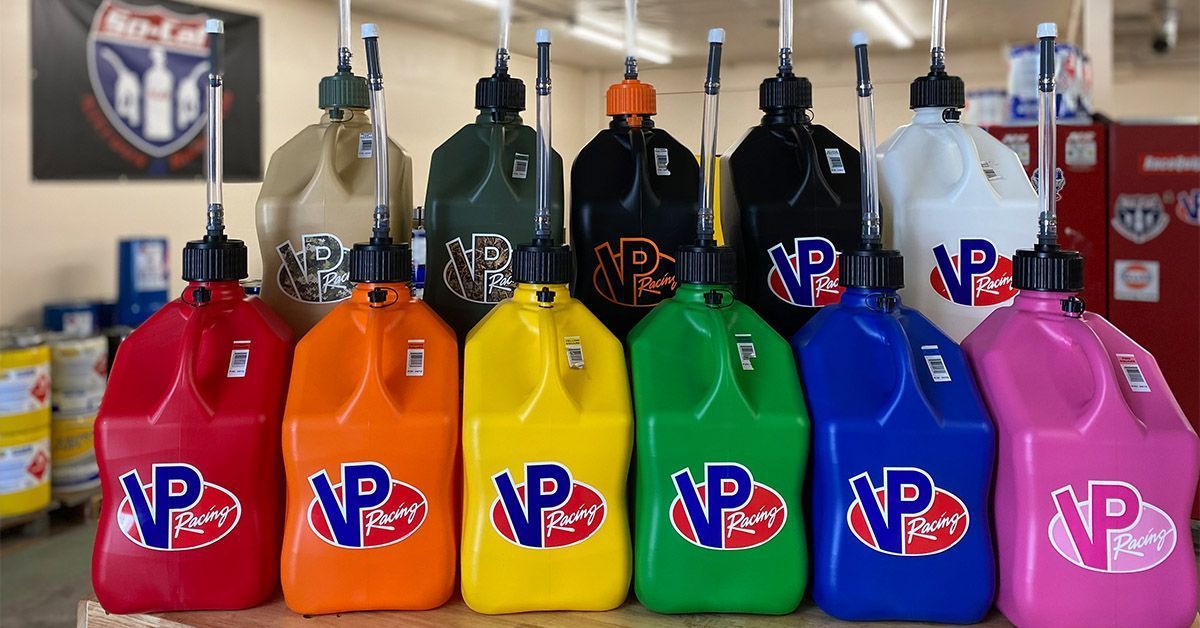
Race fuels, particularly ethanol blends or methanol, are more volatile than standard gasoline and require careful storage. Fuel should be kept in sealed, ventilated containers away from heat and sunlight to prevent degradation. Using fuel stabilizers can extend shelf life and maintain performance characteristics.
Safety Considerations
Handling race fuels safely is critical to prevent accidents or fire hazards. Always use appropriate personal protective equipment (PPE), avoid open flames near fuel storage areas, and follow local regulations for storage and disposal. Proper safety protocols protect both personnel and equipment while ensuring that fuel maintains its intended performance characteristics.
Real-World Application: Track Prep
Teams often prefill fuel cells prior to races and perform fuel quality checks to ensure consistency. Contaminated or degraded fuel can cause unexpected detonation, resulting in lost performance or mechanical failure. By maintaining proper storage and handling, racers can trust that their fuel delivers optimal results during competition.
Expert Tips for Maximizing Fuel Performance
Selecting the Right Fuel for Your Engine
Consult your engine builder or tuner to determine the ideal fuel type and octane rating for your specific engine setup. Engine modifications such as higher compression pistons, upgraded turbochargers, or nitrous oxide systems can change fuel requirements dramatically.
Monitoring Fuel Quality
High-performance engines are sensitive to inconsistencies in fuel composition. Regularly test fuels for ethanol content, contamination, and water presence to prevent unexpected performance issues. Using certified race fuels from reputable suppliers ensures reliable and consistent performance.
Adjusting for Environmental Factors
Ambient temperature, altitude, and humidity affect combustion efficiency. High-altitude tracks may require lower octane fuels or modified tuning to prevent lean conditions, while hot, humid environments may necessitate fuels with higher resistance to knock. Expert racers adjust fuel choice and tuning parameters to match these variables for consistent track performance.
Maximizing Your Investment in Race Fuel
Planning Fuel Usage Strategically
Racing teams benefit from planning fuel usage around practice sessions, qualifying runs, and actual race events. Using high-octane fuels exclusively may be cost-prohibitive, but selectively deploying them during peak performance runs ensures maximum impact while managing expenses.
Balancing Performance and Longevity
Over-reliance on aggressive fuels can place stress on engine components. Experienced racers understand the importance of alternating fuel types during training or practice sessions to preserve engine health without sacrificing overall performance.
Case Study: Professional Drag Teams
Professional drag teams often blend fuels or use additives to achieve a balance of peak power and engine protection. For example, adding a small percentage of nitromethane or alcohol-based fuel can safely increase combustion energy without overstressing the engine, provided tuning adjustments are made. These strategies exemplify how knowledge, planning, and precision fuel management lead to a competitive advantage.
Expert Guidance from SoCal Nitrous & Racefuels
Choosing the right race fuel is a critical decision that directly influences engine performance, reliability, and overall racing success. Understanding octane ratings, fuel types, combustion dynamics, and tuning considerations is essential for extracting maximum power from high-performance engines. Race fuels provide significant benefits, from increased horsepower and torque to enhanced engine longevity, but they also present challenges such as cost, availability, and handling requirements. By combining careful fuel selection with expert tuning and proper storage practices, racers can maximize the return on their investment while protecting their engines.
For racers seeking unparalleled expertise in fuel selection and performance optimization, SoCal Nitrous & Racefuels Inc
in Downey, California, stands as a trusted authority in the industry. With over 15
years of experience specializing in nitrous systems and
high-performance race fuels, our team provides expert guidance tailored to your engine’s specific needs. Whether you’re seeking maximum power on the track or reliable performance under extreme conditions, we deliver precision-tuned solutions and industry-leading products to keep you competitive and confident.