Get Track-Ready Fuel Delivered: Boost Performance Without Leaving Your Garage

March 26, 2026

For performance enthusiasts and professional racers, every fraction of a second counts. Optimizing your vehicle’s performance often begins with one crucial element: fuel. The right race fuel is more than just a power booster; it directly impacts engine efficiency, combustion quality, and overall track performance. Traditionally, acquiring high-octane or specialized race fuels meant trips to remote fueling stations or expensive storage and transport logistics. This process could disrupt training schedules, complicate race preparation, and even risk using suboptimal fuel types that compromise engine performance.


Now, advancements in fuel delivery services have transformed this process. Track-ready fuel can be delivered directly to your garage or workshop, allowing drivers to focus on refining their skills and fine-tuning their vehicles. This convenience is not just about saving time; it also ensures the fuel maintains peak quality, preventing degradation that can occur during improper storage. For racers, tuning enthusiasts, or garage-bound performance seekers, understanding the benefits, challenges, and best practices of delivered race fuels is essential. By adopting a strategic approach to fuel selection and delivery, you can maximize performance, protect your engine, and enhance every session on the track.

Understanding Track-Ready Fuel

What Makes Fuel “Track-Ready”?

Track-ready fuel is specifically formulated to handle high-stress engine conditions. Unlike standard pump gasoline, it has optimized octane ratings and additive packages designed to reduce knocking, improve throttle response, and maintain stability under extreme heat. The primary goal is consistent combustion, which ensures your engine operates at maximum efficiency during acceleration, cornering, and braking.


High-performance fuels often include oxygenates and stabilizers that help sustain combustion efficiency and prevent carbon buildup. For nitrous-injected engines or turbocharged systems, track-ready fuel prevents detonation, a destructive phenomenon where uncontrolled combustion can damage pistons, rods, and cylinder heads. Choosing a fuel that aligns with your engine type and modification level is critical to avoid performance losses and costly repairs.

Benefits of Track-Ready Fuel

Using fuel tailored for track conditions provides tangible advantages. Drivers experience sharper throttle response, more predictable power delivery, and improved lap times. Moreover, premium race fuels often reduce engine wear over repeated high-RPM sessions by promoting cleaner combustion. For vehicles running high-boost setups, the right fuel prevents lean conditions, which can lead to catastrophic engine failures.


Real-world scenario: Consider a car prepared for a weekend track event. Using standard pump gas might limit turbocharged engines to conservative boost levels to prevent knock. By switching to high-octane, track-ready fuel, the same car can safely utilize higher boost, unlocking additional horsepower and torque while maintaining engine longevity.

The Advantages of Delivery Services

Convenience and Time Savings

One of the most immediate benefits of fuel delivery is convenience. Instead of transporting hazardous liquids or visiting specialized fueling stations, drivers can have high-performance fuel delivered directly to their garage. This streamlines preparation for track days and enables more frequent testing without logistical hassles.


Delivered fuel also supports better scheduling. Whether prepping a single car for a weekend race or managing a fleet of track vehicles, you can plan fueling around maintenance, testing, and tuning sessions. This removes a major stress point for teams and individual enthusiasts alike.

Maintaining Fuel Integrity

Fuel quality is paramount in high-performance applications. Improper storage can degrade fuel through oxidation or water contamination, resulting in reduced octane performance and potential engine damage. Delivered fuels are typically stored and transported in specialized containers that maintain temperature stability and minimize contamination risk. This ensures the fuel you put into your vehicle meets the precise specifications your engine requires.

Expert Reasoning

From a technical perspective, timing and storage of fuel play a significant role in performance optimization. A fuel delivery service allows drivers to receive fresh, uncontaminated fuel precisely when needed. It removes guesswork, reduces exposure to environmental contaminants, and guarantees consistency across multiple race sessions. The result is not just convenience—it’s a measurable performance advantage.

Choosing the Right Fuel for Your Engine 

Understanding Octane Ratings

Selecting the correct octane rating is critical. Octane measures a fuel’s resistance to knocking, which occurs when combustion happens prematurely. High-performance engines, especially those with turbochargers, superchargers, or nitrous systems, require fuels with higher octane ratings to safely operate under increased pressure and temperature.


Using a lower octane fuel than recommended can lead to reduced power, engine knock, and even long-term damage. Conversely, using excessively high-octane fuel in an engine not designed for it may not offer additional benefits and could be unnecessarily costly.

Aligning Fuel with Engine Modifications

The complexity of modern engines means fuel selection is no longer a one-size-fits-all decision. Naturally aspirated engines may benefit more from oxygenated high-octane fuels that clean the combustion chamber. Forced induction systems, however, demand fuels that resist detonation at elevated boost levels. Nitrous-injected setups require fuel that can handle sudden spikes in combustion pressure without degrading or causing pre-ignition.


Real-world example: A turbocharged track car running a 93-octane street fuel may experience knock at higher boost levels. Switching to a 104-octane racing fuel can stabilize combustion, allowing for safe tuning to higher power levels while protecting pistons and rods.

  • Best Practices for Selection

    1. Know your engine’s compression ratio, forced induction type, and tuning parameters.
    2. Consult dyno and tuning logs to understand fuel performance under load.
    3. Consider seasonal variations; fuel behavior can change with temperature and humidity.
    4. Always source fuel from reputable providers with proper storage protocols.

Delivery Logistics and Safety Considerations

Safe Handling Practices

High-performance fuels are highly flammable and require careful handling. Professional delivery services follow strict safety protocols, including certified containers, spill prevention measures, and compliance with local and federal transport regulations. This reduces the risk of accidents in your garage or during transit.

Planning for Delivery

When scheduling fuel delivery, ensure your garage or workshop is prepared. Designate a well-ventilated area for fueling, away from sparks or open flames. Confirm that storage containers are approved for high-octane fuels and check the supplier’s delivery schedule to avoid delays that could compromise training or race preparation.

Mitigating Risks

Fuel delivery is convenient, but drivers should remain vigilant. Always verify the fuel grade and batch upon receipt, and keep proper documentation for traceability. For teams running multiple vehicles, label containers clearly to avoid cross-contamination. These steps safeguard both engine performance and personal safety.

Maximizing Performance with Delivered Fuel

Optimizing Engine Tuning

Having fuel delivered opens new opportunities for fine-tuning. Fresh, consistent fuel allows tuners to push ignition timing, boost levels, and air-fuel ratios closer to optimal without risking knock. This precision tuning translates directly to better lap times and a more responsive driving experience.

Case Study: Weekend Track Warriors

Consider a group of weekend racers with multiple cars in a shared garage. Instead of each vehicle using slightly different fuel sources from local stations, a delivered supply ensures every car gets identical, high-quality fuel. Tuners can then optimize each setup based on consistent fuel behavior, reducing variability and increasing predictability during track sessions.

Maintenance Benefits

High-quality, delivered fuel also reduces engine deposits and carbon buildup, which can accumulate over multiple track days. This prolongs engine life, maintains peak performance, and reduces maintenance costs. Drivers can enjoy more sessions on the track without sacrificing reliability.

Overcoming Common Challenges 

Storage Limitations

Not every garage can accommodate large fuel volumes. Delivered fuel services often offer flexible container sizes, enabling drivers to store only what they need for a weekend or event. Using approved, temperature-controlled containers mitigates the risk of degradation or contamination.

Regulatory Compliance

Transporting high-octane or specialized fuels is heavily regulated. Professional delivery services handle the necessary certifications, permits, and safety measures, removing the legal burden from the driver.

Balancing Cost vs. Benefit

High-performance fuel is more expensive than standard gasoline. However, the performance gains, engine protection, and time savings often outweigh the cost. When factoring in reduced maintenance, improved lap times, and fewer logistical headaches, delivered fuel can be a sound investment for serious racers.

Expert Insight

Racers who underestimate the impact of consistent, high-quality fuel often face unpredictable engine behavior, lost horsepower, and costly repairs. Investing in reliable delivery ensures that fuel is no longer a variable—it’s a performance asset.

Performance-Driven Expertise From SoCal Nitrous Inc

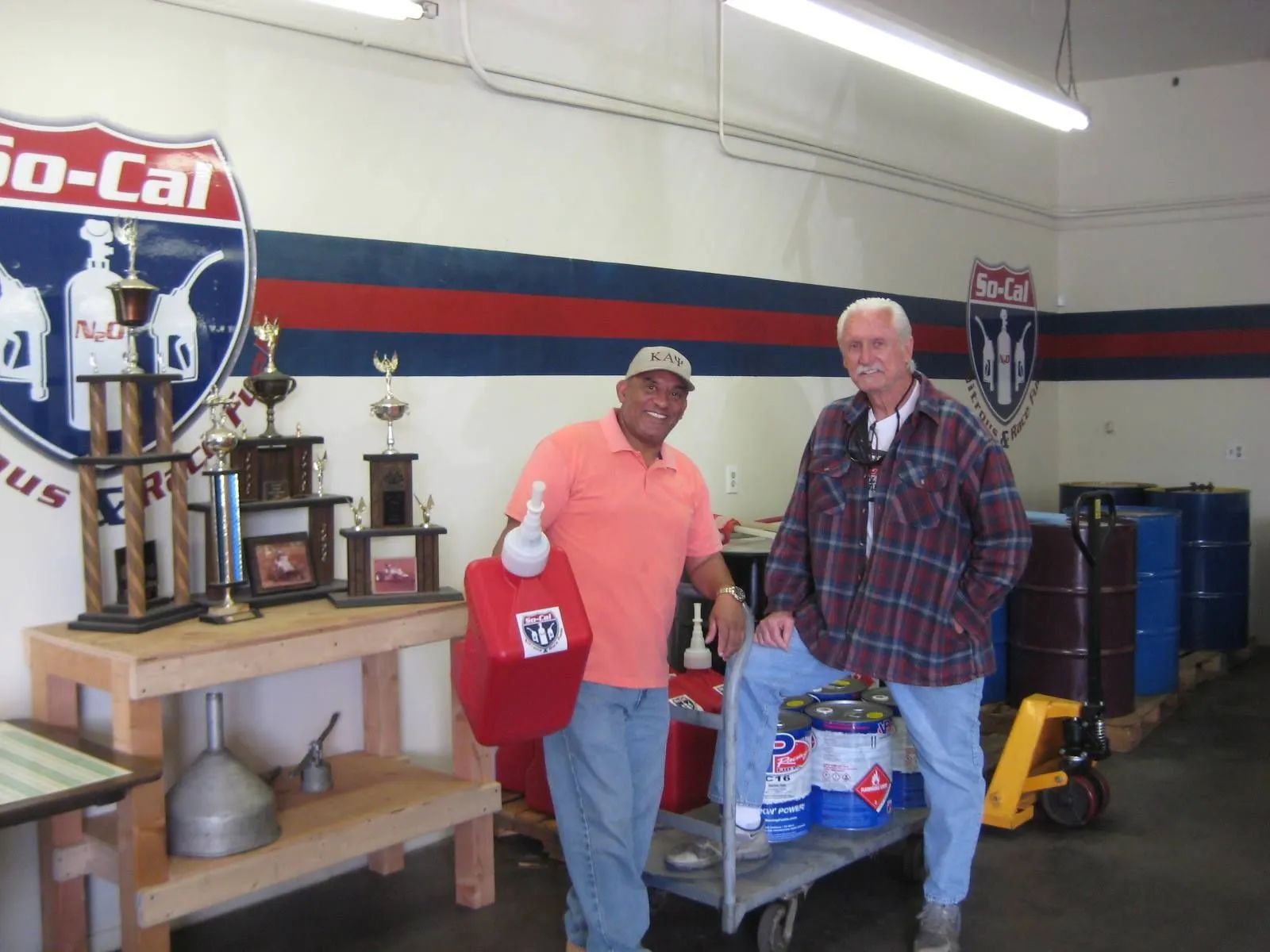
For enthusiasts and professional racers seeking reliable fuel solutions, SoCal Nitrous & Racefuels Inc stands as a trusted partner. Located in Downey, California, and backed by 15+ years of experience in nitrous and racefuel services, the company delivers high-performance fuels directly to your garage, ensuring peak quality and safety. Their expertise spans a wide range of applications, from naturally aspirated engines to highly modified turbocharged or nitrous-injected setups, making them a valuable resource for drivers at every level.


SoCal Nitrous & Racefuels Inc not only provides convenience and top-tier fuel but also brings technical guidance to help clients select the right products for their engines. With stringent handling protocols, certified delivery systems, and a commitment to excellence, they eliminate guesswork and deliver confidence alongside every gallon. Whether preparing for weekend track events or professional racing, their services empower drivers to achieve maximum performance without leaving their garages. Trust in their experience to enhance your track days, protect your engine, and unlock your vehicle’s full potential.

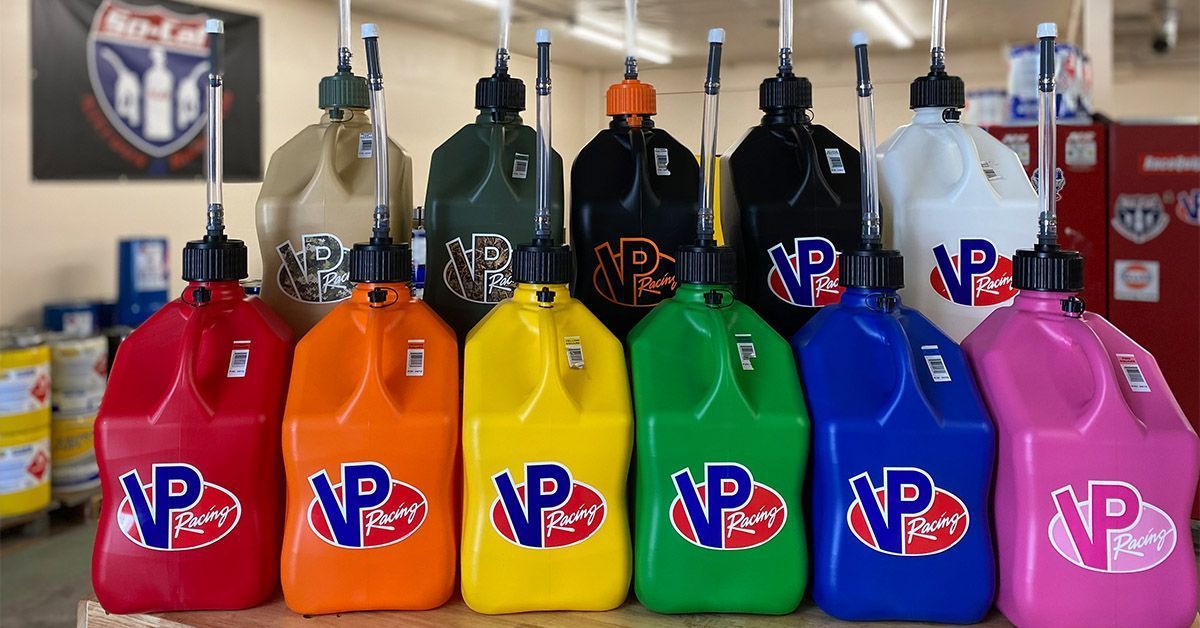
Row of colorful VP Racing fuel jugs in various colors.
February 23, 2026
Selecting the right fuel for a high-performance engine is far more than a matter of convenience—it’s a critical decision that directly impacts power output, engine longevity, and overall racing performance. In the world of motorsports, every fraction of a second counts,
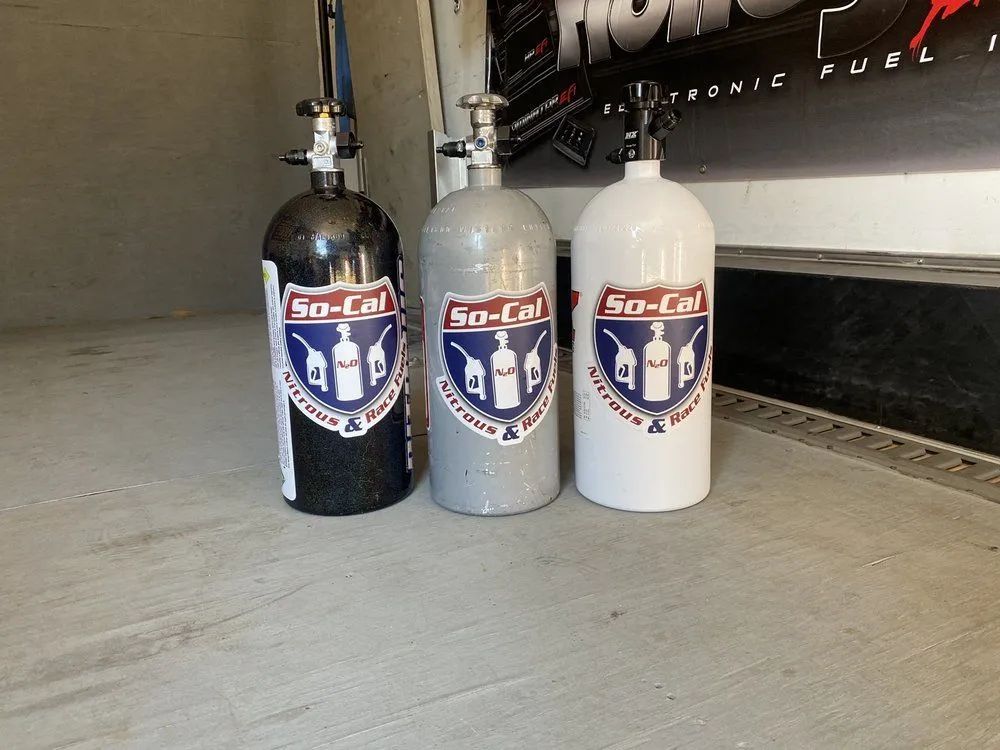
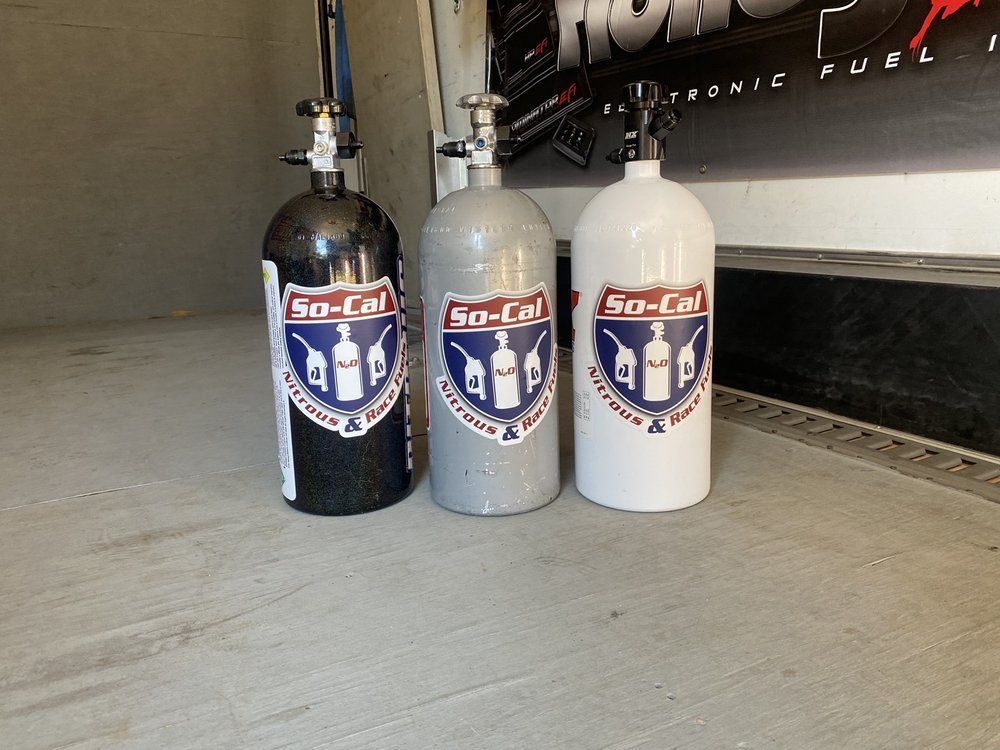
Three nitrous oxide tanks with So-Cal Nitrous & Fuel stickers: black, gray, white, on a concrete surface.
January 28, 2026
For automotive enthusiasts, nitrous oxide (N₂O) systems offer a compelling way to unlock extra horsepower and torque from engines. While it is tempting to consider a DIY approach, the reality is that nitrous systems are precision performance tools that demand expertise for safe and effective operation.
Two blue NOS nitrous oxide tanks with red and white labels.
December 29, 2025
For automotive enthusiasts, unlocking an engine's full potential is both a science and an art. Among the most effective ways to increase horsepower without undertaking a full engine rebuild is through the use of nitrous oxide systems.
Row of colorful VP Racing fuel jugs in various colors.
February 23, 2026
Selecting the right fuel for a high-performance engine is far more than a matter of convenience—it’s a critical decision that directly impacts power output, engine longevity, and overall racing performance. In the world of motorsports, every fraction of a second counts,
Three nitrous oxide tanks with So-Cal Nitrous & Fuel stickers: black, gray, white, on a concrete surface.
January 28, 2026
For automotive enthusiasts, nitrous oxide (N₂O) systems offer a compelling way to unlock extra horsepower and torque from engines. While it is tempting to consider a DIY approach, the reality is that nitrous systems are precision performance tools that demand expertise for safe and effective operation.
Two blue NOS nitrous oxide tanks with red and white labels.
December 29, 2025
For automotive enthusiasts, unlocking an engine's full potential is both a science and an art. Among the most effective ways to increase horsepower without undertaking a full engine rebuild is through the use of nitrous oxide systems.